Quick answer
Many eye creams are intended for the orbital bone, not the mobile eyelid or lash line. Apply to eyelids only when the label says the formula is suitable there, and stop immediately if it enters the eye or causes discomfort.
As an Amazon Associate, we may earn from qualifying purchases.
For can you put eye cream on eyelids?, begin with the formulaâs exact job and the texture the routine can support. This guide keeps La Roche-Posay Toleriane Dermallergo Eye Cream and the connected eye cream for hooded eyelids lane visible while separating cosmetic appearance goals from medical or anatomical claims.
Why placement rules differ
Formulas vary in texture, active strength and migration. A balm used safely around the brow bone may still move into the eye when placed on the lid. Brand directions account for how that specific product was intended to be used.
Use why placement rules differ to compare observable details: ingredient family, cream or serum base, application zone, frequency and finish. La Roche-Posay Toleriane Dermallergo Eye Cream is a verified starting point, not evidence that every shopper needs the same formula. The useful eye cream for hooded eyelids choice is the one that solves one named appearance or comfort goal while remaining easy to repeat.
For a product-focused path, continue to our Eye Cream for Hooded Eyelids.
Use the orbital route
For most products, the conservative approach is small dots around the bony eye socket, including the brow bone only when permitted. The warmth of the skin helps the formula spread without coating the lash line.
A strong answer to can you put eye cream on eyelids? must survive an ordinary routine test. Apply the directed amount of La Roche-Posay Toleriane Dermallergo Eye Cream, keep other eye-area steps stable and observe comfort, finish and migration. Use the orbital route matters more after several consistent uses than it does while reading the front label, especially when the broader eye cream for hooded eyelids category contains several different active families.
Respond to exposure
If product enters the eye, rinse according to the label or poison-control guidance and seek medical help for persistent pain, redness or vision symptoms.
The claim boundary is part of respond to exposure. La Roche-Posay Toleriane Dermallergo Eye Cream may support hydration, temporary depuffing or a smoother and brighter appearance, but it cannot diagnose symptoms or change structural anatomy. Keep the eye cream for hooded eyelids decision cosmetic and specific, and move pain, rash, discharge, sudden swelling or vision changes out of the shopping process.
Decision protocol
A controlled test for can you put eye cream on eyelids?.
Name one job
Choose one concernâsuch as dryness, temporary morning puffiness, a brighter appearance or visible fine linesâand decide whether the product belongs in the morning, evening or both. A formula with no clear job is likely to overlap the routine.
Read the complete formula
Use highlighted ingredients as lanes, then compare the base texture, supporting moisturizers, packaging and directions. The same active can feel very different in a serum, gel, cream or balm.
Keep variables stable
Introduce one product at the smallest directed amount. Keep cleanser, moisturizer and other eye-area actives unchanged so comfort, pilling, migration and finish remain readable.
Respect the boundary
Reject the product when it causes persistent discomfort, duplicates a stronger active or depends on changing anatomy. Eye pain, discharge, sudden swelling, rash or vision changes require appropriate professional care.
Decision depth
What changes the answer in a real routine.
The existing routine changes the shortlist. For can you put eye cream on eyelids?, compare the proposed eye product with every active already used near the orbital area. A gentle-looking cream can become difficult when a face retinoid, exfoliating acid or fragranced layer migrates into the same zone. Conversely, a simple moisturizer may be all that is needed when drynessânot an active-led appearance goalâis the actual problem.
The ingredient lane needs a texture lane. The verified products connected to this guide use signals such as niacinamide, peptides, caffeine. Those ingredients do not determine finish by themselves. A fluid serum may layer cleanly in the morning but feel insufficient on very dry skin; a rich balm may add comfort at night yet migrate or pill beneath concealer. Compare the complete base, not just the highlighted active.
The candidate products should keep separate jobs. Current starting points include La Roche-Posay Toleriane Dermallergo Eye Cream, Shiseido Benefiance Wrinkle Smoothing Eye Cream, Caudalie Resveratrol-Lift Depuffing Eye Cream, CeraVe CeraVe Eye Cream. This is not a ranking from first to last. Each product remains in the article because its formula, texture or routine role answers a different part of the question. When two options solve the same job, buy neither until the preferred texture and tolerance path are clear.
The timeline should match the promised result. Hydration can change the look of dry fine lines quickly, while retinoid- or peptide-led appearance goals require consistent use and vary from person to person. Cooling and caffeine can feel useful for temporary morning puffiness without changing structural bags. Judge finish early, tolerance over repeated use and longer-term cosmetic goals only over the period the label supports.
The next page should narrowânot restartâthe search. Continue from Eye Cream for Hooded Eyelids to Eye Cream for Sensitive Eyes only when the first lane misses a real requirement. Recheck the exact Amazon model, package size, seller, ingredient list and directions before ordering because a saved product photo or older review cannot guarantee that the live variation is unchanged.
Verified Amazon starting points
Products connected to this answer
These are not universal winners. They are real catalog options whose ingredients, texture or routine role connect to the decision above. Confirm the current Amazon listing before purchase.
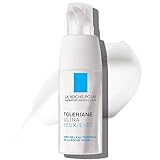
La Roche-Posay
Toleriane Dermallergo Eye Cream
A comfort-first cream to consider when sensitivity and dryness outweigh active-heavy goals.

Shiseido
Benefiance Wrinkle Smoothing Eye Cream
A richer premium cream for hydration-forward mature-skin routines.

Caudalie
Resveratrol-Lift Depuffing Eye Cream
A premium peptide cream for puffiness-conscious, mature-skin routines.

CeraVe
CeraVe Eye Cream with Peptides, Caffeine & Niacinamide
A balanced cream starting point for hydration and the appearance of fine lines.
People also ask
Common follow-up questions
What about under the eyebrow?+
The brow bone is included in some product directions, but check the specific label.
Can eye serum go on lids?+
Texture does not determine safety; the product directions do.
Final verdict
Use the smallest routine that solves the real problem.
Many eye creams are intended for the orbital bone, not the mobile eyelid or lash line. Apply to eyelids only when the label says the formula is suitable there, and stop immediately if it enters the eye or causes discomfort. Choose a formula you can apply consistently, keep the product away from the eye itself, and stop when the area becomes irritated. Cosmetic results should be described as changes in appearance and comfortânot guaranteed treatment outcomes.