Quick answer
Start with current cruelty-free policy evidence, then choose by texture, concern and tolerance.
As an Amazon Associate, we may earn from qualifying purchases.
For best cruelty-free eye creams, begin with the formulaâs exact job and the texture the routine can support. This guide keeps e.l.f. e.l.f. SKIN Holy Hydration! Eye Cream and the connected cruelty-free eye cream lane visible while separating cosmetic appearance goals from medical or anatomical claims.
Start with the real shopping question
The values question comes first, but it should not erase the skincare decision. A verified cruelty-free product can still be too rich, too active or poorly matched to the concern. The right shortlist begins by naming one primary concern and one routine constraint. That keeps a broad search phrase from turning into a cart full of overlapping products.
Separate immediate cosmetic effects from slower routine goals when judging start with the real shopping question. e.l.f. e.l.f. SKIN Holy Hydration! Eye Cream may make dry skin look smoother quickly, while active-led appearance changes require patience and consistent use. That timing distinction prevents best cruelty-free eye creams from becoming a promise that no cruelty-free eye cream product can reliably keep for every shopper.
For a product-focused path, continue to our Cruelty-Free Eye Cream.
Read the formula and texture together
Use current brand statements and explicit listing language as evidence, and recheck when ownership or regional policies change. Then compare hyaluronic acid, bakuchiol or barrier-rich paths. Hero ingredients are useful signposts, but the base, supporting moisturizers, packaging and full ingredient list determine how the product actually behaves around the eyes.
Amazon listings can group sizes, packaging or nearby variations, so read the formula and texture together also requires a live-listing check. Confirm that e.l.f. e.l.f. SKIN Holy Hydration! Eye Cream is still the selected model, then recheck directions and ingredients. For best cruelty-free eye creams, current product identity is stronger evidence than an older review or a brand-wide assumption inside the cruelty-free eye cream lane.
Give it a clear place in the routine
Introduce one formula at a time. Values alignment does not change the need for patch testing or careful eye-area placement. Keep the amount small, follow the exact listing and package directions, and change only one eye-area product at a time so comfort and performance remain readable.
For âBest Cruelty-Free Eye Creams,â treat give it a clear place in the routine as an elimination filter. Compare the current formula with e.l.f. e.l.f. SKIN Holy Hydration! Eye Cream, then ask whether its texture and directions serve the cruelty-free eye cream lane without duplicating another active. A familiar ingredient name is useful only when the full formula remains comfortable and the product has one clear place in the routine.
Know the claim boundary
Cruelty-free, vegan, clean and natural are different claims. None of them guarantees hypoallergenic performance or superior results. EyeCream.app treats hydration, brightness, smoothness and temporary depuffing as cosmetic appearance goals. Pain, rash, persistent swelling, discharge or vision changes belong with an appropriate clinician.
Know the claim boundary changes the practical answer to best cruelty-free eye creams because eye products do not perform in isolation. Test e.l.f. e.l.f. SKIN Holy Hydration! Eye Cream with the cleanser, moisturizer, sunscreen or concealer that will actually surround it. If the combination pills, migrates or creates persistent discomfort, the cruelty-free eye cream search should move to another texture rather than a stronger claim.
The EyeCream.app decision
Choose the product that meets both tests: a policy you can verify and a formula you can use consistently. Confirm the live Amazon title, seller, packaging and directions before purchase because catalog details can change. We omit prices and rank the fit of the formulaânot the size of the marketing promise.
Use the eyecream.app decision to compare observable details: ingredient family, cream or serum base, application zone, frequency and finish. e.l.f. e.l.f. SKIN Holy Hydration! Eye Cream is a verified starting point, not evidence that every shopper needs the same formula. The useful cruelty-free eye cream choice is the one that solves one named appearance or comfort goal while remaining easy to repeat.
Decision protocol
A controlled test for best cruelty-free eye creams.
Name one job
Choose one concernâsuch as dryness, temporary morning puffiness, a brighter appearance or visible fine linesâand decide whether the product belongs in the morning, evening or both. A formula with no clear job is likely to overlap the routine.
Read the complete formula
Use highlighted ingredients as lanes, then compare the base texture, supporting moisturizers, packaging and directions. The same active can feel very different in a serum, gel, cream or balm.
Keep variables stable
Introduce one product at the smallest directed amount. Keep cleanser, moisturizer and other eye-area actives unchanged so comfort, pilling, migration and finish remain readable.
Respect the boundary
Reject the product when it causes persistent discomfort, duplicates a stronger active or depends on changing anatomy. Eye pain, discharge, sudden swelling, rash or vision changes require appropriate professional care.
Decision depth
What changes the answer in a real routine.
The existing routine changes the shortlist. For best cruelty-free eye creams, compare the proposed eye product with every active already used near the orbital area. A gentle-looking cream can become difficult when a face retinoid, exfoliating acid or fragranced layer migrates into the same zone. Conversely, a simple moisturizer may be all that is needed when drynessânot an active-led appearance goalâis the actual problem.
The ingredient lane needs a texture lane. The verified products connected to this guide use signals such as hyaluronic acid, peptides, bakuchiol, centella. Those ingredients do not determine finish by themselves. A fluid serum may layer cleanly in the morning but feel insufficient on very dry skin; a rich balm may add comfort at night yet migrate or pill beneath concealer. Compare the complete base, not just the highlighted active.
The candidate products should keep separate jobs. Current starting points include e.l.f. e.l.f. SKIN Holy Hydration! Eye Cream, Skinfix Skinfix Triple Lipid-Boost 360 Eye - 0.5 fl oz - Visibly Smooths Undereye Wrinkles & Crowâs Feet Lines, haruharu wonder haruharu wonder Black Rice Bakuchiol Eye Cream, SKIN1004 SKIN1004 Centella Probio-Cica Bakuchiol Eye Cream. This is not a ranking from first to last. Each product remains in the article because its formula, texture or routine role answers a different part of the question. When two options solve the same job, buy neither until the preferred texture and tolerance path are clear.
The timeline should match the promised result. Hydration can change the look of dry fine lines quickly, while retinoid- or peptide-led appearance goals require consistent use and vary from person to person. Cooling and caffeine can feel useful for temporary morning puffiness without changing structural bags. Judge finish early, tolerance over repeated use and longer-term cosmetic goals only over the period the label supports.
The next page should narrowânot restartâthe search. Continue from Cruelty-Free Eye Cream to Bakuchiol Eye Cream only when the first lane misses a real requirement. Recheck the exact Amazon model, package size, seller, ingredient list and directions before ordering because a saved product photo or older review cannot guarantee that the live variation is unchanged.
Verified Amazon starting points
Products connected to this answer
These are not universal winners. They are real catalog options whose ingredients, texture or routine role connect to the decision above. Confirm the current Amazon listing before purchase.
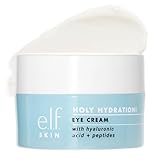
e.l.f.
e.l.f. SKIN Holy Hydration! Eye Cream, Rich Hydrating Eye Cream For Minimizing Dark Circles, Infused With Hyaluronic Acid, Vegan & Cruelty-free
A vegan and cruelty-free hyaluronic-acid cream for accessible hydration and dark-circle routines.

Skinfix
Skinfix Triple Lipid-Boost 360 Eye - 0.5 fl oz - Visibly Smooths Undereye Wrinkles & Crowâs Feet Lines with Hyaluronic Acid - Non-Comedogenic - Vegan, Cruelty Free - Founded in Canada
A lipid-rich, cruelty-free cream for dry under-eyes and the appearance of crow's-feet.
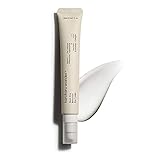
haruharu wonder
haruharu wonder Black Rice Bakuchiol Eye Cream, 0.67 fl. oz, Wrinkle Care
A vegan black-rice and bakuchiol eye cream for shoppers seeking a retinol-alternative path.

SKIN1004
SKIN1004 Centella Probio-Cica Bakuchiol Eye Cream, Korean Eye Cream for Fine Lines with Centella, Hydrating Eye Treatment for Under Eye Area, Retinol Alternative, Korean Skin Care, 0.67 fl.oz / 20ml
A Centella and bakuchiol Korean eye cream for a gentle-feeling retinol-alternative routine.
People also ask
Common follow-up questions
Best Cruelty-Free Eye Creams: who is this guide best for?+
The values question comes first, but it should not erase the skincare decision. A verified cruelty-free product can still be too rich, too active or poorly matched to the concern.
How should the best cruelty-free eye creams routine be introduced?+
Introduce one formula at a time. Values alignment does not change the need for patch testing or careful eye-area placement.
What is the biggest limitation of best cruelty-free eye creams?+
Cruelty-free, vegan, clean and natural are different claims. None of them guarantees hypoallergenic performance or superior results.
Which formula detail matters most for best cruelty-free eye creams?+
Use current brand statements and explicit listing language as evidence, and recheck when ownership or regional policies change. Then compare hyaluronic acid, bakuchiol or barrier-rich paths.
What is the practical verdict on best cruelty-free eye creams?+
Choose the product that meets both tests: a policy you can verify and a formula you can use consistently.
Final verdict
Use the smallest routine that solves the real problem.
Start with current cruelty-free policy evidence, then choose by texture, concern and tolerance. Choose a formula you can apply consistently, keep the product away from the eye itself, and stop when the area becomes irritated. Cosmetic results should be described as changes in appearance and comfortânot guaranteed treatment outcomes.