Concern edit
Eye Cream for Dark Circles
A brighter-looking eye area starts with identifying the kind of darkness you see.
The short answer
Choose the job before the jar.
Dark circles can reflect shadow, pigmentation, visible vessels or simple dehydration. Cosmetics cannot change every cause, so this edit focuses on realistic formula roles: hydration, light reflection, caffeine and brightening-support ingredients.
Read the full buying guide âVerified Amazon edit
Products that fit this path.
Links and product images were returned through our connected Amazon catalog manager. Prices are intentionally omitted because they can change.
As an Amazon Associate, we may earn from qualifying purchases.

CeraVe
CeraVe Eye Repair Cream with Hyaluronic Acid
A fragrance-conscious everyday option for hydration and tired-looking under-eyes.

The Ordinary
The Ordinary Caffeine Solution 5% + EGCG
A fluid caffeine serum for mornings when puffiness and tired-looking eyes are the priority.

Tatcha
The Brightening Eye Cream
A premium vitamin-C-led pick for shoppers prioritizing a brighter-looking eye area.
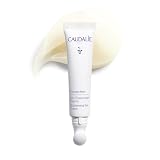
Caudalie
Vinoperfect Dark Circle Brightening Eye Cream
A caffeine-led premium option centered on dark-circle and brightening goals.

Beauty of Joseon
Beauty of Joseon Revive Eye Serum
A lightweight retinal-and-niacinamide serum for a more advanced evening routine.
Full buying guide
How to choose eye cream for dark circles
Start with the visible concernâbut shop the skin beneath it
Dark circles can reflect shadow, pigmentation, visible vessels or simple dehydration. Cosmetics cannot change every cause, so this edit focuses on realistic formula roles: hydration, light reflection, caffeine and brightening-support ingredients. The eye area is small, mobile and easily overloaded. A product should have one primary job and a texture that makes sense beside the cleanser, moisturizer, sunscreen and makeup already in use. A stronger marketing claim does not automatically create a better routine.
Use ingredient families as decision lanes
For this edit, the most relevant formula signals are caffeine, vitamin-c, niacinamide. Those words are starting points, not guarantees. Concentration, delivery system, packaging and supporting moisturizers change the experience. Compare complete formulas and follow the directions on the individual product rather than copying the routine of a different jar.
Let texture determine where the product lives
Gels and fluid serums tend to fit quick morning layering. Creams add cushion and can work morning or night. Rich balms often feel most natural in an evening routine. If a formula pills, migrates toward the eye or sits unused because it feels heavy, the match is wrong even when the ingredient list looks impressive.
Introduce actives slowly
Retinol and retinal eye products deserve a deliberate nighttime plan. Begin at the frequency directed on the package, avoid stacking several strong actives around the eye and use sun protection as appropriate during the day. Sensitivity-prone shoppers should favor a simpler formula and patch-test thoughtfully. Stinging is not proof that a product is working.
Keep expectations cosmetic and precise
Eye products may hydrate and improve the appearance of puffiness, dullness or fine lines. They cannot permanently remove structural bags, change eyelid anatomy or diagnose the cause of a symptom. Sudden swelling, pain, discharge, rash or vision changes require appropriate professional careânot a different Amazon search.